בסוף השנה שעברה, ישבתי במעבדת הבדיקות שלנו וניטרתי תהליך עבודה (pipeline) מורכב של יצירת וידאו. באופן מסורתי, רינדור מהסוג הזה דרש מערכת מחשוב שולחנית כבדה ושעות של זמן עיבוד. במקום זאת, צפיתי בו מסתיים באופן מקומי על גבי iPhone 14 Pro תוך פחות משלוש דקות. כמהנדס מחקר המתמקד בעיבוד תמונה ווידאו מקומי, הרגע ההוא זיקק בדיוק את הסיבה לקיומו של הצוות שלנו. המחסום העיקרי לתוצרים באיכות גבוהה הוא כבר לא חומרה מסיבית; זו התוכנה שמחברת בין החומרה היומיומית לבין המשתמש.
כדי לענות על שאלת הליבה - מה אנחנו עושים: AI App Studio הוא סטודיו תוכנה מוכוון טכנולוגיה המפתח אפליקציות למובייל ולרשת עם שילוב של בינה מלאכותית, שנועדו לבטל חיכוך דיגיטלי יומיומי באופן מקומי על חומרת המשתמש. אנחנו לא רואים בלמידת מכונה תכונה שיווקית (Feature). במקום זאת, אנו רואים בה שכבת תשתית פונקציונלית שאמורה לטפל בשקט במשימות מייגעות כדי שהמשתמשים יוכלו להתמקד בעבודה האמיתית שלהם.
השינוי המבוסס-נתונים ביצירה קריאייטיבית
כל סביבת היצירה הדיגיטלית והפרודוקטיביות משתנה במהירות, והמספרים מניתוחי שוק אחרונים מוכיחים זאת. על פי דוח מגמות הקריאייטיב לשנת 2026 של LTX Studio, האימוץ של וידאו מבוסס AI בארגונים גדל ב-127% במהלך שנת 2025. אולי משמעותי מכך, עלויות הייצור הנלוות צנחו ב-91%, ולוחות הזמנים של פרויקטים התכווצו מימים לדקות בודדות. וידאו מבוסס אודיו ובדיקות סינתטיות אינם עוד מושגים ניסיוניים; הם הפכו לסטנדרט בתעשייה.
במקביל, שוק הציוד הרחב לאולפני אודיו ווידאו צפוי להגיע ל-21.46 מיליארד דולר בשנת 2026 על פי Accio. אנשים משקיעים רבות בלכידת תוכן באיכות גבוהה. עם זאת, צוואר הבקבוק נוצר לאחר הלכידה – במהלך העריכה, העיבוד והניהול. כאן מתחיל החזון שלנו. אנו בונים כלים המטפלים בתהליכים האינטנסיביים הללו בצורה מאובטחת ויעילה על המכשירים שכבר נמצאים בבעלות המשתמשים.
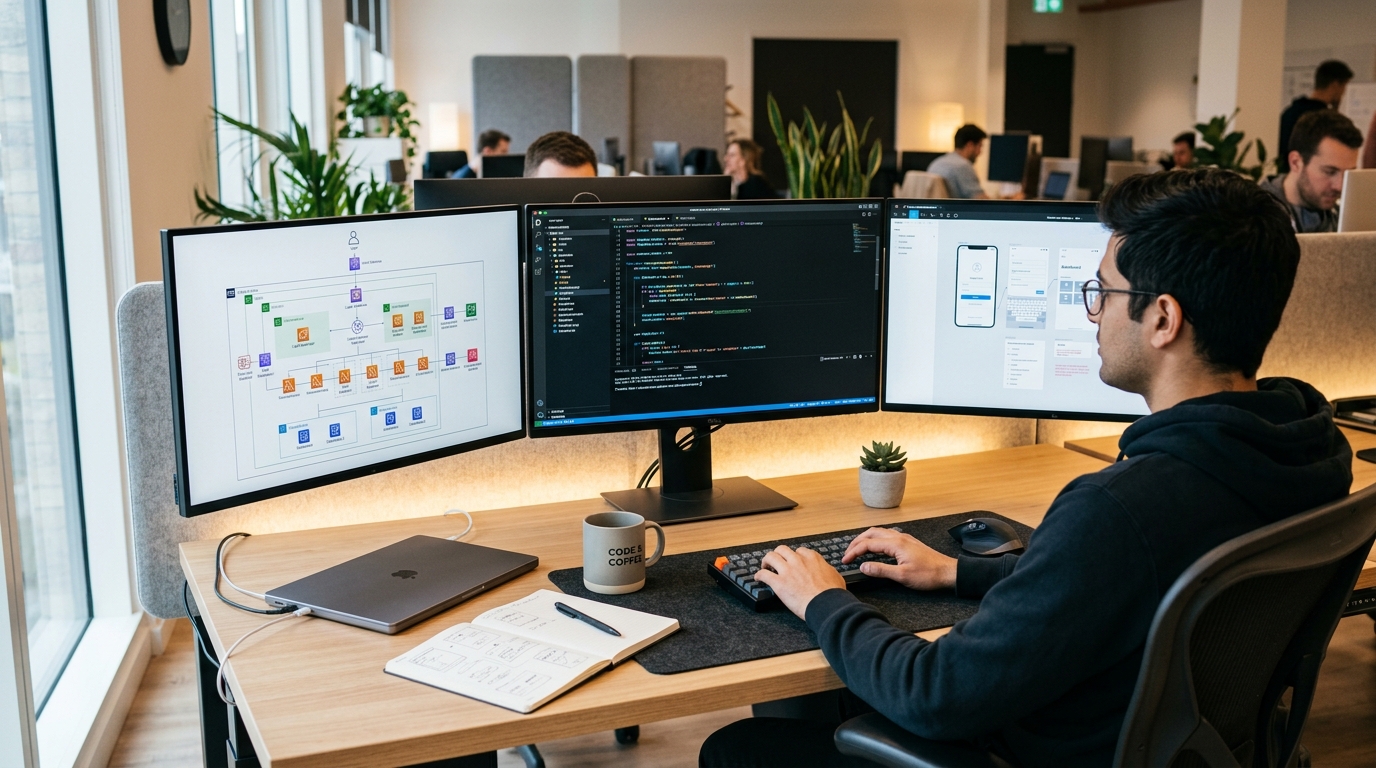
פילוסופיית המוצר שלנו קובעת שמשתמש לא אמור להזדקק למנוי ענן יקר כדי לבצע משימות שהחומרה המקומית שלו מסוגלת להתמודד איתן. בין אם המשתמש משתמש ב-iPhone 11 סטנדרטי, משדרג ל-iPhone 14 Plus או משתמש במכשירי ה-Pro החדשים ביותר, התוכנה צריכה להסתגל למגבלות המחשוב הזמינות בצורה יעילה. על ידי הרצת מודלים ב-"קצה" (Edge), אנו מפחיתים את זמן השהיה (Latency) ומגנים על נתוני המשתמש מפני העברות מיותרות לשרתים.
עיצוב תוכנה שפתורת חיכוך אמיתי
פילוסופיית מוצר חזקה לא רק מסתגלת ליכולות חדשות; היא מסננת את היכולות הללו דרך העדשה הקפדנית של חיכוך המשתמש. קל מאוד לבנות כלים נוצצים שלא פותרים שום בעיה אמיתית. כפי שחברי דורוק אבג'י (Doruk Avcı) פירט בסקירה אחרונה, בניית מפת דרכים למוצר מוכוון טכנולוגיה דורשת חיבור ישיר של היתכנות טכנית לצרכים יומיומיים פרקטיים.
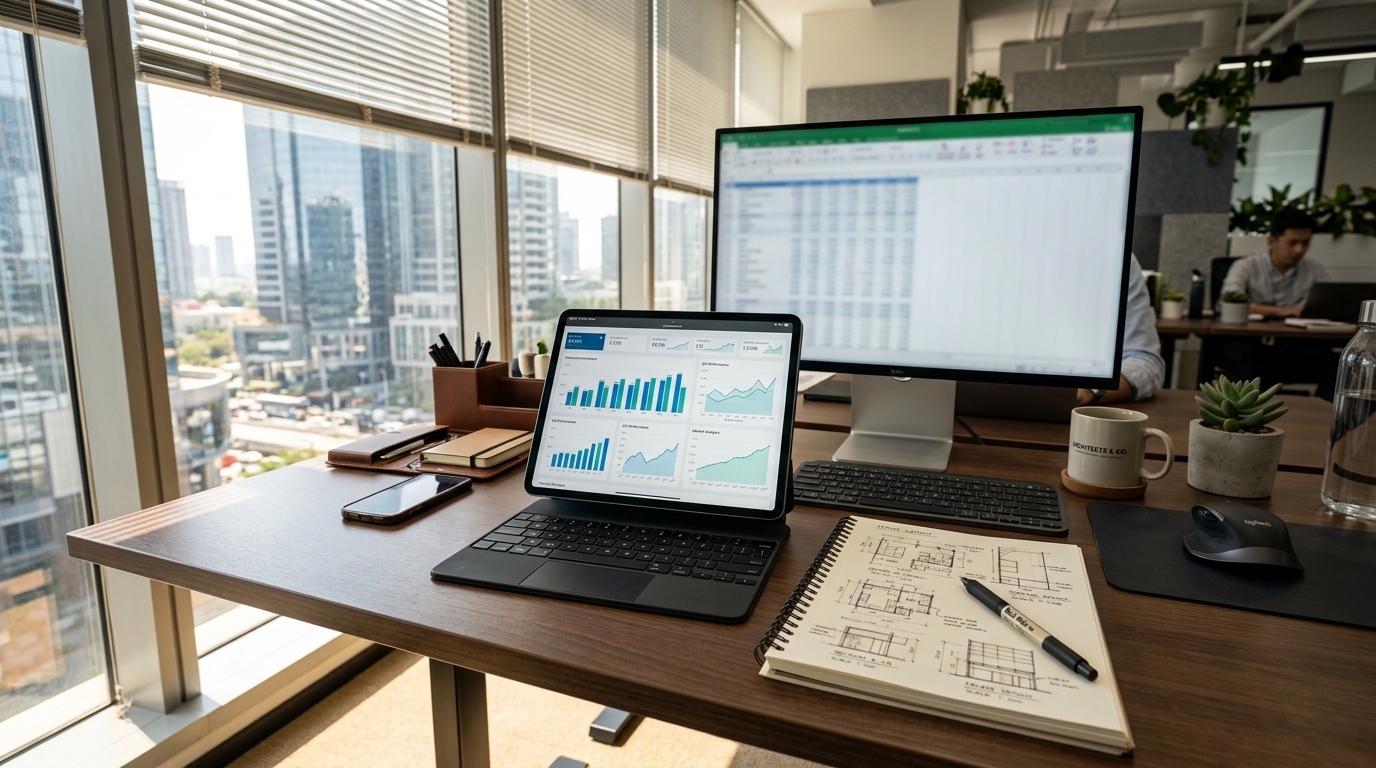
חשבו על מגזר התוכנה העסקית. אותם עקרונות עיבוד מקומיים שאנו מיישמים על יצירת וידאו תקפים באותה מידה למשימות אדמיניסטרטיביות. כשאיש מכירות משתמש באפליקציית CRM בטלפון שלו, הוא לא רוצה להקליד ידנית סיכומי פגישות או לחכות לשרת ענן שיסווג את סנטימנט הלקוח. הוא זקוק לארגון מיידי ומקומי. באופן דומה, כשעוזר משפטי סוקר חוזים באמצעות עורך PDF בנייד, שליחת מסמכים רגישים לשרת צד שלישי לצורך חילוץ טקסט יוצרת סיכוני פרטיות עצומים. עיבוד המסמך הזה באופן מקומי באמצעות מודלים על המכשיר פותר את החיכוך מבלי להתפשר על האבטחה.
התמודדות עם משבר האמון של הצרכנים
גורם מרכזי נוסף שמעצב את המשימה שלנו הוא מערכת היחסים המשתנה בין משתמשים לתוכן דיגיטלי. דוח "המגמות המובילות לשנת 2026" של EMARKETER הדגיש מתח מרתק: בעוד שז'אנרים כמו מיקרו-דרמות ואקוסיסטמים של יוצרים עצמאיים פורצים קדימה, הצפת התוכן הסינתטי גורמת לאמון הצרכנים באינטרנט לצנוח. נפח התוכן האוטומטי העצום יוצר אפקט של עייפות בקרב קהלים ולקוחות ארגוניים כאחד.
נקודת נתונים זו משפיעה עמוקות על האופן שבו אנו ניגשים לארכיטקטורת האפליקציות. איננו מעוניינים לבנות תוכנה שמחליפה לחלוטין את שיקול הדעת האנושי או מציפה את האינטרנט ברעש לא מאומת. המטרה שלנו היא לספק את התשתית התפעולית שתומכת בכוונה האנושית. הכלים שאנו מהנדסים נועדו לבצע את ה-"עבודה השחורה" – עיצוב, רינדור, מיון וארגון – תוך השארת ההחלטות היצירתיות והאסטרטגיות בידיו של המשתמש.
מי מרוויח מהגישה שלנו?
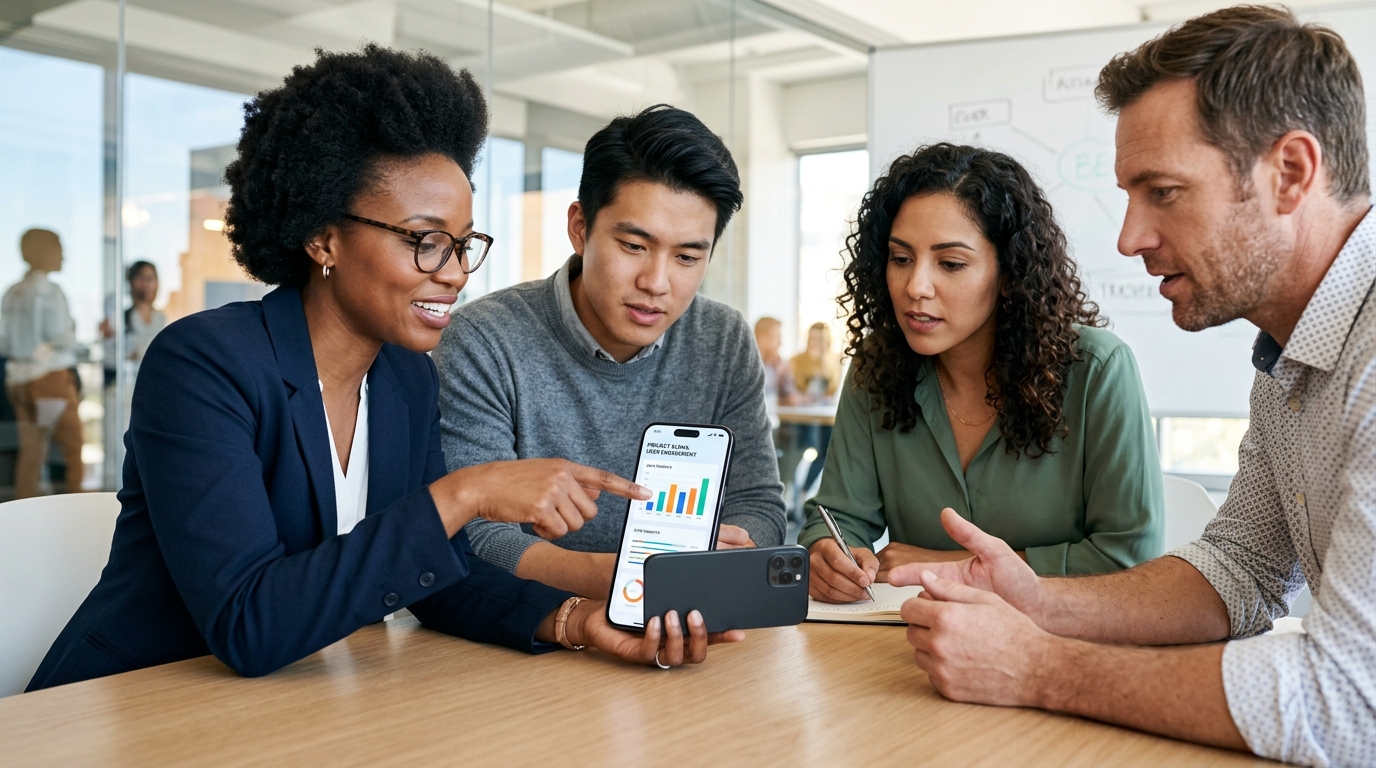
כשאנחנו מהנדסים את קו המוצרים שלנו, אנחנו מתמקדים בשלושה פרופילי משתמשים מובחנים שמרוויחים הכי הרבה מתוכנה המותאמת לחומרה:
ראשית, יוצרים עצמאיים ויזמים הפועלים לחלוטין מהמכשירים הניידים שלהם. עבור קבוצה זו, הטלפון הוא אולפן הייצור, מוקד התקשורת והמשרד שלהם. הם זקוקים לתוצרים ברמה מקצועית אך חסרים את ההון לחומרת רינדור ייעודית או לסוכנויות יקרות. על ידי אופטימיזציה של האפליקציות שלנו למכשירים יומיומיים, אנו מעניקים להם יכולות של צוות הפקה שלם בתוך הכיס.
שנית, עובדי שטח וצוותי מכירות בארגונים. אנשי מקצוע אלו זקוקים לגישה מיידית לבינה עסקית, ניהול מסמכים והיסטוריית לקוחות גם במצב לא מקוון או בסביבות עם קישוריות נמוכה. אפליקציות המסתמכות אך ורק על עיבוד ענן נכשלות בתרחישים אלו. גישת מחשוב הקצה שלנו מבטיחה שהכלים שלהם יתפקדו בצורה אמינה ללא קשר למצב הרשת.
שלישית, אנשי מקצוע המודעים לפרטיות במגזרים כמו משפט, בריאות ופיננסים. עבור משתמשים אלו, אבטחת נתונים היא תנאי בל יעבור. היכולת להריץ מודלים אנליטיים מתקדמים מבלי שהנתונים יעזבו אי פעם את המכשיר מספקת יתרון משמעותי בעמידה ברגולציה. אפה ילמזר (Efe Yılmazer) כתב לאחרונה על האופן שבו רוב קטגוריות האפליקציות נכשלות כי הן מפספסות את נקודת הכאב האמיתית, ועבור דמוגרפיה ספציפית זו, נקודת הכאב היא כמעט תמיד ריבונות הנתונים.
הדרך שלפנינו עבור AI App Studio
ככל שנתקדם אל תוך 2026, החומרה שבכיסים שלנו תמשיך לעקוף את התוכנה שבה אנו משתמשים מדי יום. המנועים העצביים (Neural Engines) במעבדי המובייל המודרניים נותרים ברובם רדומים במהלך משימות ממוצעות, מה שמייצג מאגר עצום של פוטנציאל לא מנוצל. צוות ההנדסה שלנו ממוקד בגישור על הפער הזה.
אנו משכללים כל הזמן את האופן שבו אנו דוחסים מודלים מורכבים כדי שירוצו בצורה חלקה על דרגות חומרה שונות. האתגר הוא להבטיח שמי שמרנדר קובץ במכשיר בן ארבע שנים יקבל חוויה יציבה ואמינה, בעוד שמי שמשתמש בחומרה העדכנית ביותר יראה את המשימה שלו מסתיימת תוך שניות. זה דורש ניהול זיכרון קפדני, אופטימיזציה של סוללה והתאמות ארכיטקטוניות מתמשכות.
בסופו של דבר, AI App Studio פועל על בסיס פשוט מאוד: הטכנולוגיה צריכה להיעלם אל הרקע. למשתמשים לא אכפת מרשתות עצביות או ממספר הפרמטרים הספציפי של מודל. אכפת להם לסיים את עריכת הווידאו שלהם, לשלוח את החשבונית, לארגן את רשימת הלקוחות ולחזור לחייהם. על ידי התמקדות אגרסיבית בעיבוד מקומי, פרטיות ותועלת בעולם האמיתי, אנו בונים אקוסיסטם של אפליקציות המכבד את הזמן והאמון של המשתמש.