Enterprise AI video adoption grew a massive 127% in 2025, pushing production costs down by 91% and compressing content timelines from days to mere minutes, according to the latest LTX Studio Creative Trends Report. What does this mean for everyday professionals? It proves that advanced, automated capabilities are no longer confined to enterprise desktop environments; they are successfully operating right from the devices in our pockets. As a full-stack developer managing LLM integrations at AI App Studio, I watch these adoption metrics closely. They validate exactly what we build for: a shift away from heavy, localized processing toward intelligent, cloud-assisted mobile tools.
Yet, despite the data, the industry is still plagued by misconceptions about what mobile software can actually achieve. When I consult on product architecture, I hear the same doubts repeated by users and developers alike. Today, I want to address the gap between expectations and reality by examining how a technology focused company actually approaches these challenges in 2026. Let's dismantle four common myths about mobile applications with artificial capabilities and look at the practical solutions proving them wrong.
Are Older Devices Obsolete for Heavy Workloads?
The Myth: You need specialized, top-tier hardware to run complex professional software.
The Reality: There is a persistent belief that unless you are using the latest hardware, intelligent applications will drain your battery and freeze your device. It is true that for massive local rendering tasks in 2026, desktop processors like the Intel Core i9-14900KS—with its 6.2GHz max clock speed—set the standard. But mobile architecture relies on a completely different paradigm.
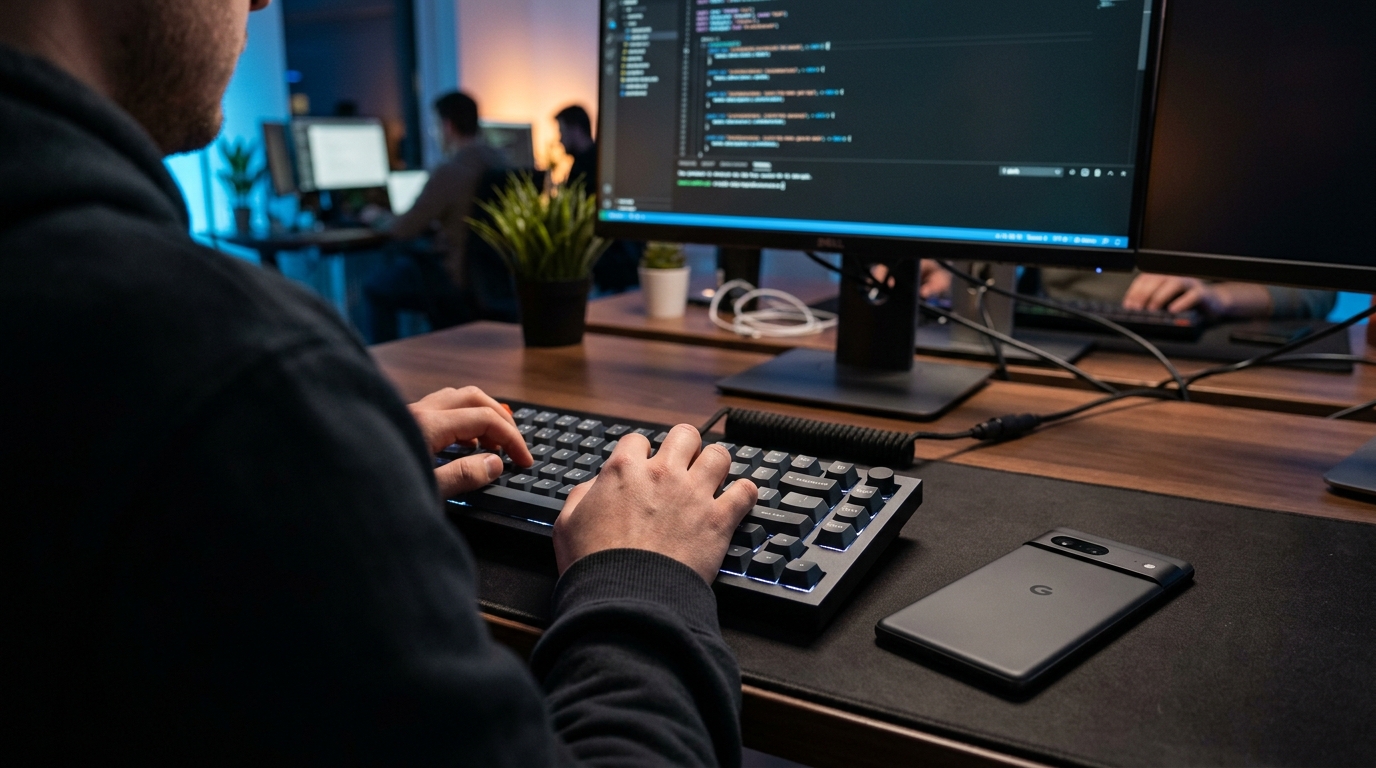
We build our tools to offload heavy parameter processing to the cloud while keeping the user interface entirely native and responsive. You do not strictly need the A16 Bionic chip of an iPhone 14 Pro to handle deep document analysis. Through careful prompt engineering and efficient API routing, a standard iPhone 14, an iPhone 14 Plus, or even an older iPhone 11 can serve as a highly capable terminal. For example, our PDF editor processes lengthy legal contracts by securely pushing the heavy text extraction to our server-side models. The user gets instantaneous summaries and formatting tools on their older device without experiencing any thermal throttling or lag. The device is the conductor, not the entire orchestra.
Stop Treating Artificial Intelligence Like a Cosmetic Feature
The Myth: Adding a chat interface to an old application automatically makes it a smart tool.
The Reality: The software industry is currently flooded with legacy platforms that simply bolted a text box onto their dashboard and called it a day. As someone who spends hours refining system prompts to reduce token overhead, I find this approach incredibly frustrating. True integration happens at the architectural level, where the model understands the context of your specific workflow before you even ask it a question.
Consider the traditional CRM application. A standard CRM requires endless manual data entry to maintain client histories. When our studio develops a CRM solution, we do not just add a chatbot that queries your database. Instead, the application actively listens to workflow triggers—summarizing recent email threads, formatting follow-up drafts, and identifying unengaged leads automatically. The intelligence works in the background to remove friction. As I noted in a previous breakdown of user pain points, users do not want to talk to their software; they want their software to do the work quietly so they can move on with their day.
The Decentralization of the Production Studio
The Myth: Professional media and content creation still demand dedicated physical facilities.
The Reality: Deloitte's recent market assessment found that demand for physical production space at soundstages is actively outpacing supply in major hubs like Los Angeles and New York City through at least 2025. Creators are waiting in line for facilities. However, the software that powers these workflows is becoming completely decentralized.
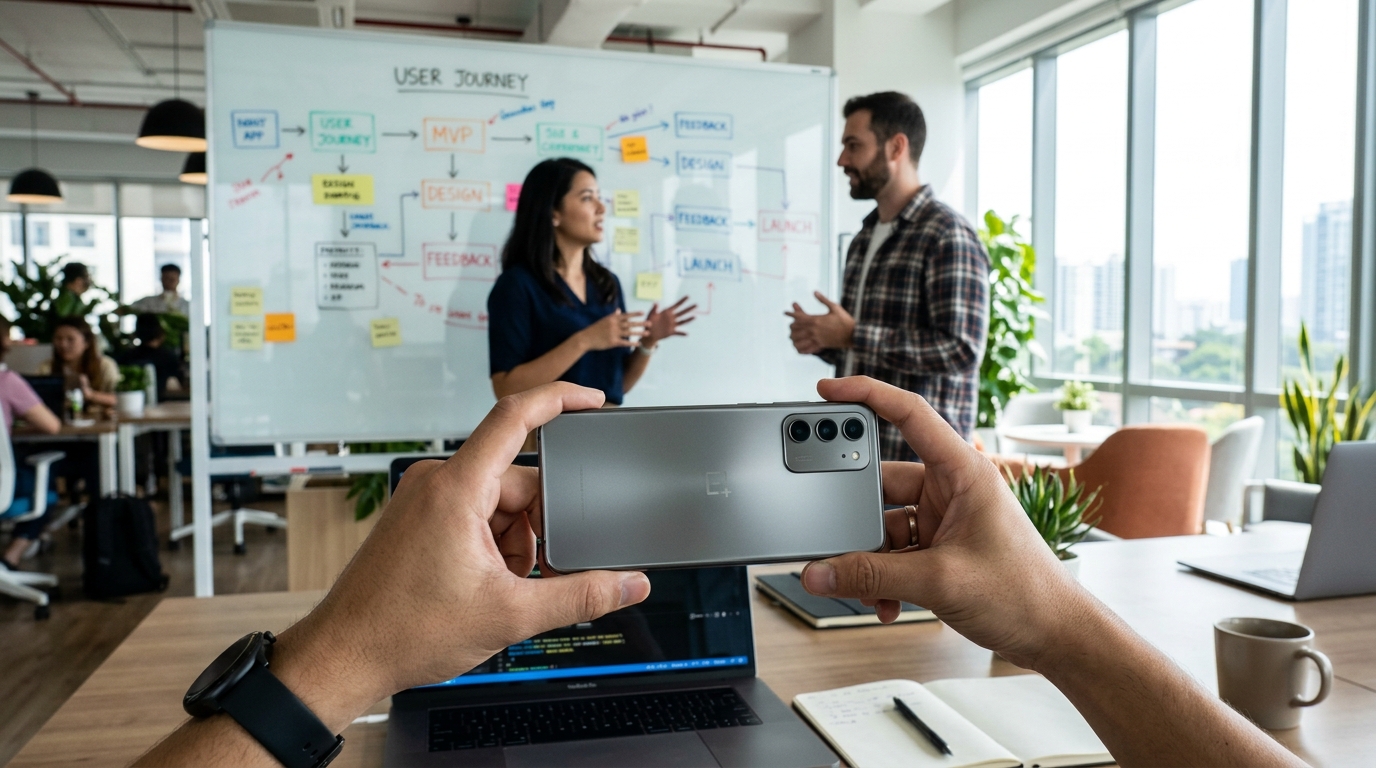
You no longer have to wait for a physical desk in a highly controlled environment to start building assets. We are seeing a massive shift toward hybrid audio-video workflows managed entirely on mobile devices. By integrating advanced audio cleaning and video stabilization models into portable software, a creator can record initial concepts on location and let the application refine the raw data. The physical location becomes less critical when the software that processes the media can isolate vocals, correct lighting, and structure timelines on the fly. We view our mobile applications as pocket-sized extensions of that physical space.
Do We Really Need Another App?
The Myth: The mobile software market is completely saturated, and there is no room for new utilities.
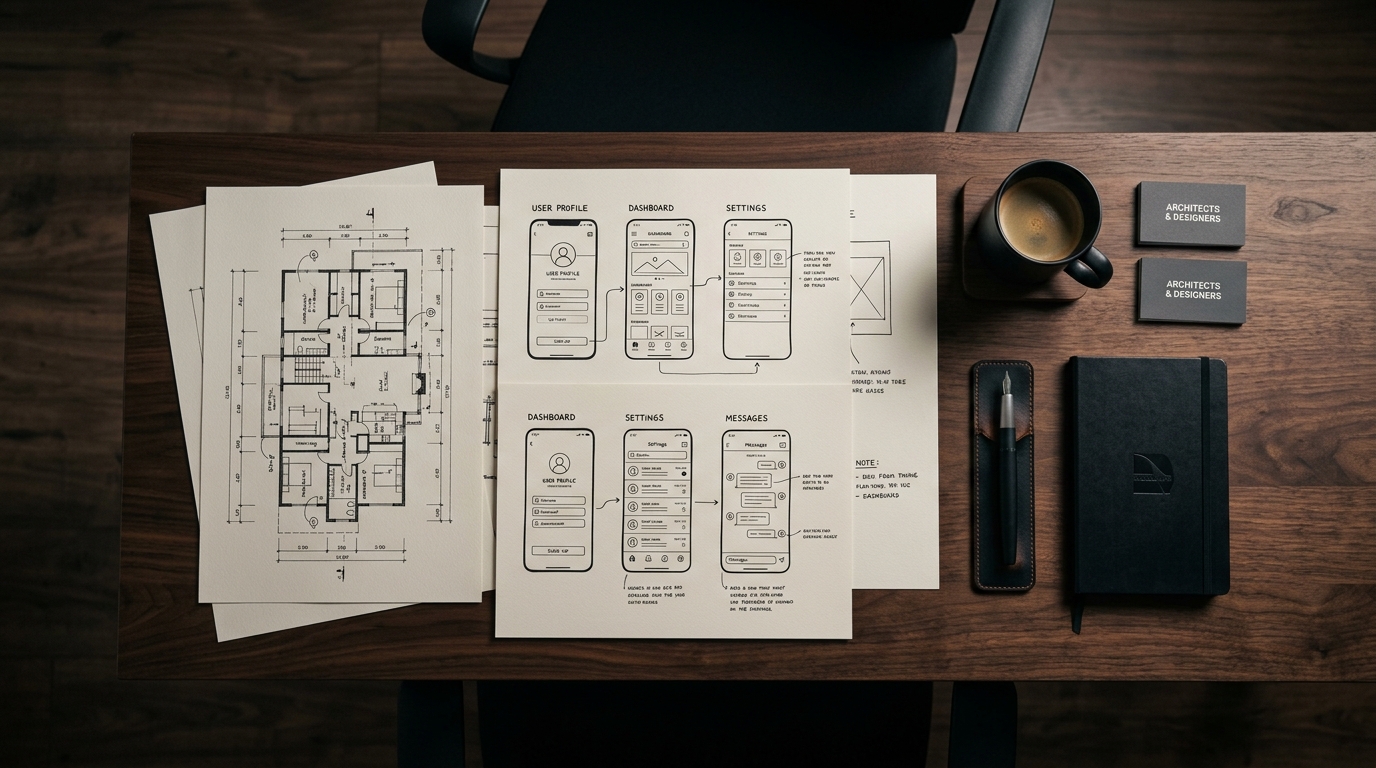
The Reality: The market is only saturated with applications that fail to solve specific problems. There are thousands of note-taking tools, but very few that can intelligently categorize meeting transcripts by action items. There are countless document viewers, but rarely a PDF editor that understands the structural hierarchy of a corporate report well enough to extract specific data tables accurately.
Bilge Kurt detailed our core mission recently, explaining why we strictly build for everyday digital friction. The real opportunity lies in targeting legacy tasks that still force users to take three steps when they should only take one. Any company that develops software today must justify its existence by saving the user time. The technology is finally good enough to execute complex logic reliably; the challenge now is designing an interface that gets out of the user's way.
Building practical tools requires respecting the constraints of the devices people actually use. By focusing on efficient data handling and deeply integrated logic, we ensure that the power of modern models translates into tangible, daily utility. The metrics show the industry is changing rapidly—our job is to make sure the software keeps pace without losing sight of the human on the other side of the screen.